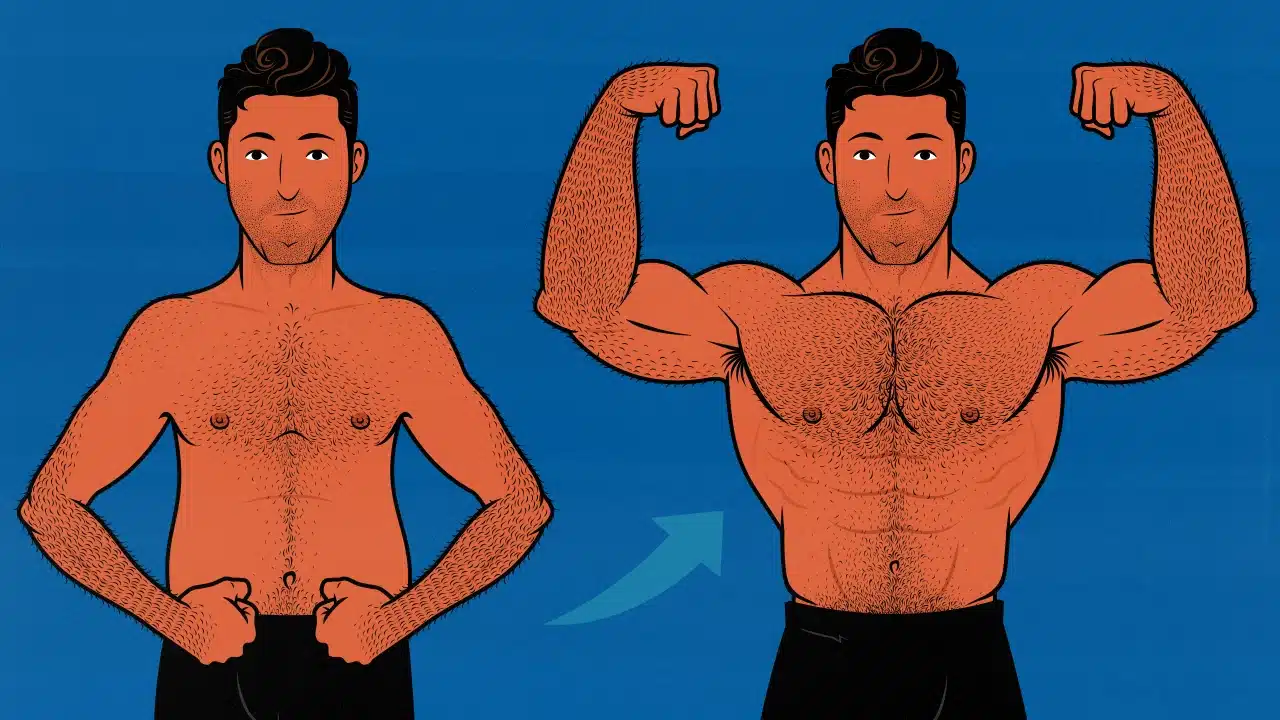

Learn the right time to transition from fat loss to muscle building—and how to gain lean muscle without putting on excess fat. A simple guide for fitness success.
Trying to build the perfect physique is like walking a tightrope — too much fat and you lose definition, too much dieting and you lose muscle. So, how do you know when it’s the right time to switch from dieting to gaining muscle—and how can you do it without gaining too much body fat?
Understanding The Basics: Cutting vs Bulking
Before making the switch, it’s important to understand what each phase involves:
- Cutting (dieting): You eat fewer calories than you burn. The goal is to lose fat while maintaining muscle.
- Bulking (muscle gaining): You eat more calories than you burn. The aim is to build muscle, which may come with some fat gain.
The tricky part is knowing when to transition from cutting to bulking—and how to do it smartly.
Signs It’s Time to Stop Dieting
You shouldn’t stay in a calorie deficit forever. Here are some signs your body is ready to switch:
1. You’ve Hit a Plateau
If your fat loss has slowed down for weeks despite strict dieting and exercise, your metabolism might have adapted. Continuing to diet could lead to muscle loss.
2. You’re Feeling Constantly Tired or Weak
Dieting for too long can drain your energy. If your workouts feel harder and you’re struggling to maintain strength, it may be time to reverse the deficit.
3. Your Body Fat Percentage Is Low
For men, a body fat percentage of around 10–12% is usually lean enough to start gaining muscle. For women, 18–20% is a healthy lean range. Going below this makes it harder to build muscle and stay healthy.
4. You’ve Achieved Your Fat Loss Goal
If you’ve reached your ideal look in terms of leanness, congratulations! Now it’s time to start building lean muscle to enhance your shape.
Why You Shouldn’t Stay Lean Forever
Staying too lean for too long can lead to:
- Hormonal imbalances
- Slower metabolism
- Lower energy
- Loss of strength
- Increased risk of injury
Building muscle requires a healthy environment inside your body, and that means not being in a constant state of restriction.
Transitioning Smartly: From Cutting To Lean Gaining
Now that you know it’s time to stop dieting, here’s how to switch without gaining too much fat:
1. Don’t Jump Into a Massive Calorie Surplus
Avoid the “dirty bulk” mindset. Instead, slowly increase your calories.
Tip: Add 150–250 calories per day above your maintenance level. Track your progress and adjust as needed.
2. Focus on Clean Eating
Just because you’re eating more doesn’t mean you should eat anything. Stick to:
- Lean proteins (chicken, fish, tofu, lentils)
- Whole grains (brown rice, oats, chapati)
- Healthy fats (nuts, seeds, olive oil)
- Lots of vegetables and fruits
3. Keep Training Heavy
Strength training should still be your priority. Focus on compound movements like:
- Squats
- Deadlifts
- Bench presses
- Pull-ups
These exercises promote muscle growth and help limit fat gain.
4. Add Cardio, But Not Too Much
Moderate cardio helps control fat gain during a bulk. Aim for 2–3 sessions a week of 20–30 minutes.
How to Measure Progress During Muscle Gain
Keep an eye on your progress to avoid gaining too much fat:
- Weigh yourself weekly: A healthy weight gain is about 0.25–0.5 kg per week.
- Take photos monthly: Visual changes often show more than the scale.
- Track your strength: If your lifts are improving, you’re likely gaining muscle.
How Much Fat Gain Is Acceptable?
Some fat gain is normal during a muscle-building phase. The key is minimising it.
Ideal ratio: For every 1 kg you gain, aim for at least 60–70% to be lean mass (muscle, water, glycogen) and the rest fat.
If you notice your waist size increasing too quickly or your face looking puffy, you may need to slow down the calorie intake.
Example Plan: Switching From Dieting to Lean Bulking
Let’s say you were dieting at 1,800 calories. Your maintenance is 2,200.
- Week 1–2: Increase to 2,200 (maintenance)
- Week 3–4: Increase to 2,400 (start of lean bulk)
- Beyond: Monitor progress, increase by 100–150 calories only if weight gain stalls
Always track your calories and macros using apps like MyFitnessPal or HealthifyMe.
Real-Life Tip: Don’t Chase Size, Chase Quality
It’s tempting to gain weight quickly for faster results, but slow and steady wins the race when it comes to building lean muscle.
Focus on:
- Clean nutrition
- Consistent strength training
- Regular progress checks
This approach helps you look muscular and fit — not bulky and fat.

Final Thoughts
Switching from dieting to gaining muscle is all about timing and balance. Once you’ve achieved a lean enough body and your energy levels are dipping, it’s a good sign to start increasing your calories for muscle gain.
But remember: gaining smartly is better than gaining fast. By eating clean, training hard, and monitoring your progress, you can build lean muscle without gaining too much body fat.
Also Read How to Work Out in Your Garden: Simple Fitness Ideas at Home
Author: Sonam