Discover how much muscle you can realistically gain in your first year of training. Learn about beginner gains, nutrition, training tips, and factors that affect growth.
If you’re just starting your fitness journey, one of the biggest questions on your mind is probably: “How much muscle can I build in my first year?” The truth is, your first year of training is often the most rewarding. With proper exercise, nutrition, and recovery, beginners can see impressive changes in both muscle size and strength. However, the results depend on several factors, and it’s important to set realistic expectations.
Why the First Year is Special
The first year of consistent weight training is commonly known as the “newbie gains” phase. During this period, your body responds quickly to strength training because the muscles are being challenged in new ways. Beginners often notice faster improvements in muscle size compared to experienced lifters.
How Much Muscle Can You Build in One Year?
Fitness experts generally agree that beginners can expect to build between:
- Men: 8 to 12 kg (18 to 25 lbs) of muscle
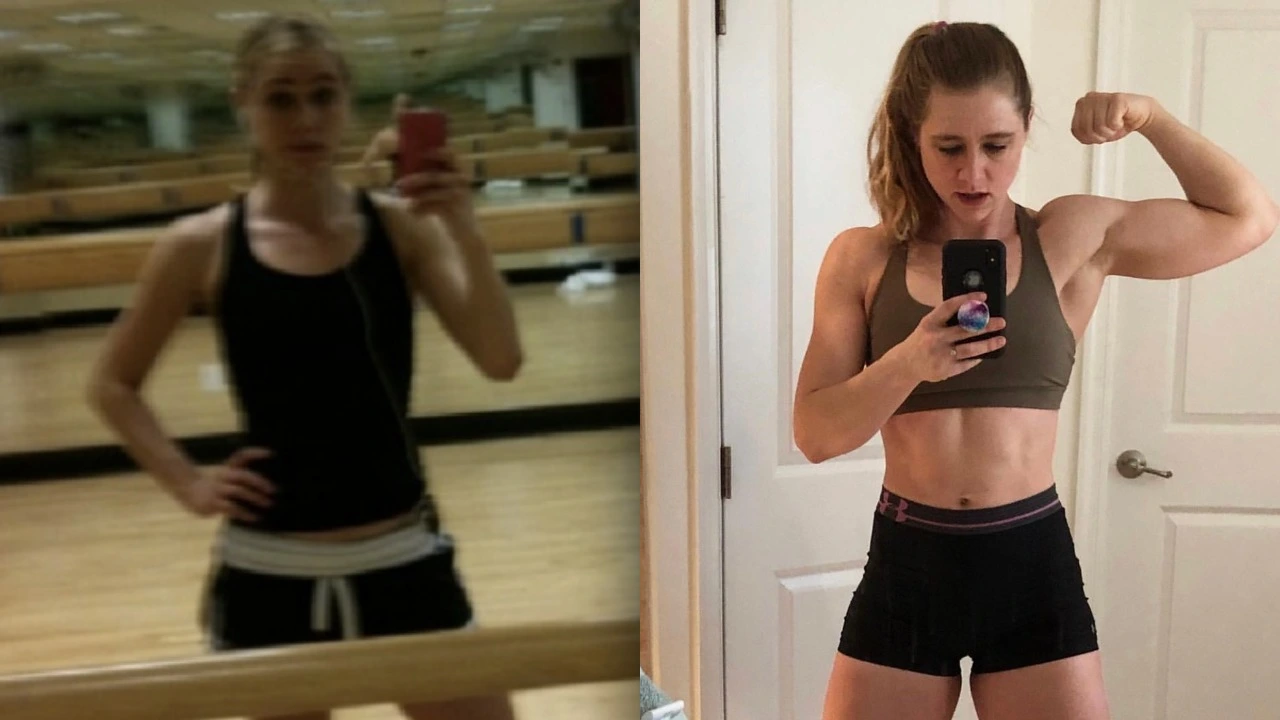
- Women: 4 to 6 kg (9 to 13 lbs) of muscle
This estimate assumes proper training, nutrition, and rest. Some people may achieve more, while others may gain less depending on genetics and lifestyle.
Factors That Affect Muscle Growth
Several elements influence how much muscle you can realistically gain in your first year:
1. Genetics
Your genetic makeup plays a huge role in how your body responds to training. Some people naturally build muscle faster due to favorable muscle fiber types and hormone levels.
2. Training Program
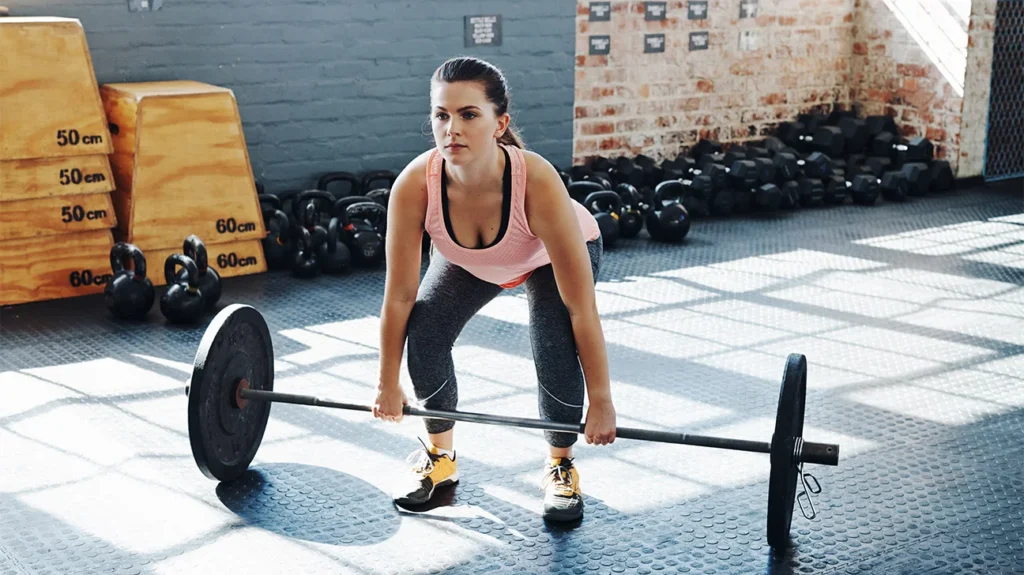
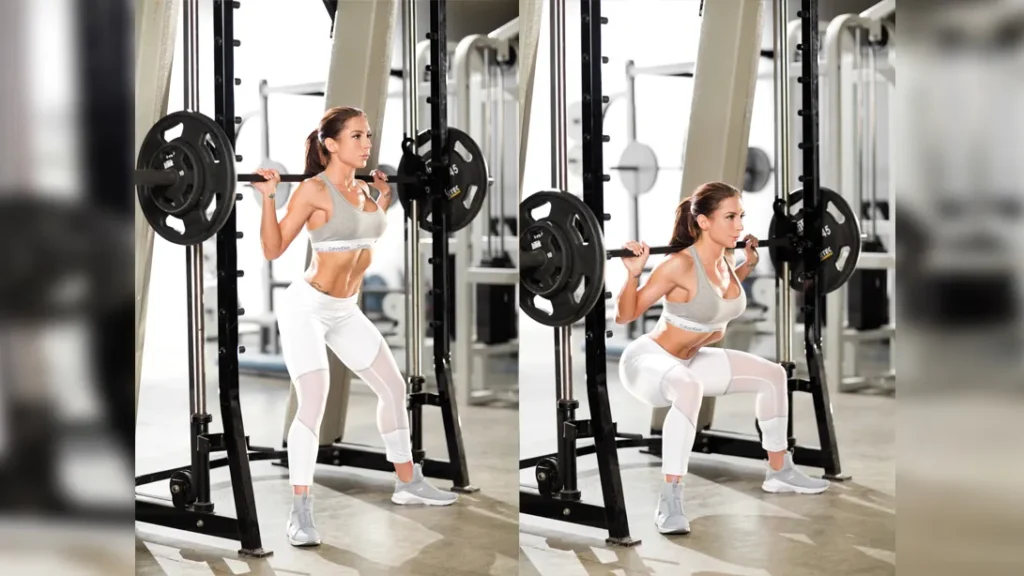
- Compound exercises like squats, deadlifts, bench presses, and pull-ups promote maximum growth.
- Progressive overload (gradually increasing weights) is key to continuous improvement.
3. Nutrition
- A high-protein diet is essential. Aim for 1.6–2.2 grams of protein per kilogram of body weight daily.
- Balance your meals with complex carbs and healthy fats for energy and recovery.
- A calorie surplus (eating slightly more than you burn) supports muscle gain.
4. Consistency
Results don’t happen overnight. Training regularly, sticking to a structured program, and eating correctly are all crucial.
5. Rest & Recovery
Muscles grow while you rest, not when you’re lifting weights. Sleep at least 7–8 hours a night and include rest days in your schedule.
Month-by-Month Progress: What to Expect
Here’s a rough timeline of muscle development in the first year:
- Months 1–3: Noticeable strength increases, small visible changes in muscle tone.
- Months 4–6: Steady growth in muscle size, better definition.
- Months 7–9: Gains continue but at a slightly slower rate.
- Months 10–12: Growth slows as your body adapts, but muscles are visibly larger compared to the start.

Common Mistakes to Avoid
Many beginners slow their progress by making simple mistakes. Watch out for these:
- Overtraining without enough recovery
- Poor form during exercises
- Inconsistent workout routine
- Skipping meals or eating too little protein
- Relying only on supplements instead of real food
Tips to Maximize Muscle Growth
- Stick to a structured workout plan.
- Track your progress with a journal or app.
- Focus on progressive overload.
- Eat nutrient-rich foods, not just empty calories.
- Stay patient and disciplined — muscle growth takes time.
Final Thoughts
Your first year of training is the perfect time to lay a strong foundation. While men may gain around 8–12 kg of muscle and women around 4–6 kg, individual results will vary. What matters most is consistency, proper nutrition, and recovery. If you train smart, eat right, and stay motivated, your first year can completely transform your body and set you on the path to long-term fitness success.
Also Read: 10 No-Equipment Workouts You Can Do Right Now
Author-Sonam