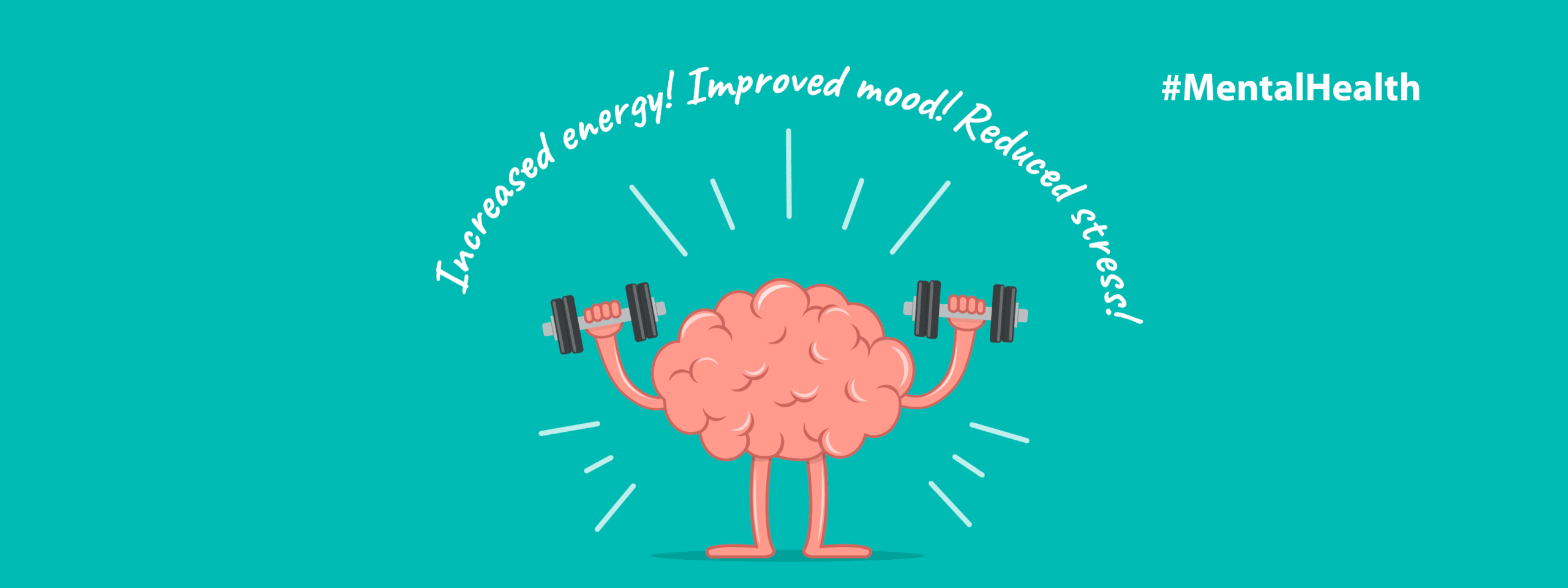
Mental health has become a major concern today. Stress, anxiety, and burnout are no longer rare problems. They affect students, working professionals, parents, and even children. In this situation, fitness is not just about weight loss or muscles. It plays a powerful role in protecting and improving mental health.
Fitness is one of the simplest, safest, and most affordable ways to support the mind. You do not need a gym or expensive equipment. What matters is regular movement and consistency.
This article explains why fitness matters more than ever for mental health and how you can make it part of your daily life.
The Growing Mental Health Challenge
Modern life is fast and demanding. Long work hours, screen addiction, lack of sleep, and social pressure are common.
Some key reasons mental health issues are rising include:
- Increased job competition and financial stress
- Less physical activity due to desk-based lifestyles
- Social media pressure and comparison
- Poor sleep routines
- Limited time for self-care
Mental health problems do not always appear suddenly. They often build slowly. Fitness helps break this cycle before it becomes serious.
How Fitness Supports Mental Health
Physical activity affects the brain in many positive ways. It is not a motivational idea. It is backed by medical research.
1. Improves Brain Chemicals
Exercise increases the release of chemicals like endorphins, serotonin, and dopamine. These chemicals help regulate mood.
Benefits include:
- Reduced feelings of stress
- Better emotional balance
- Natural improvement in mood
This is why people often feel calm or refreshed after a walk or workout.
2. Reduces Stress and Anxiety
When you move your body, your stress hormones reduce over time. Your heart rate and breathing become more controlled.
Regular fitness helps:
- Lower cortisol (stress hormone)
- Release mental tension
- Improve emotional control
Even light activities like stretching or yoga can reduce anxiety.
3. Improves Sleep Quality
Poor sleep is closely linked to poor mental health. Fitness helps reset the body clock.
People who exercise regularly often experience:
- Faster sleep onset
- Deeper sleep
- Better energy during the day
Good sleep supports memory, focus, and emotional stability.
Fitness Builds Mental Strength
Fitness does not only help with emotions. It also strengthens the mind.
4. Increases Confidence and Self-Esteem
Achieving small fitness goals builds self-belief. It creates a sense of control over your body and routine.
Examples include:
- Completing a 20-minute walk
- Holding a yoga pose longer
- Improving stamina over time
These small wins slowly improve confidence.
5. Improves Focus and Productivity
Exercise improves blood flow to the brain. This helps with thinking and decision-making.
Benefits include:
- Better concentration
- Improved memory
- Reduced mental fatigue
This is especially helpful for students and office workers.
Best Types of Fitness for Mental Health
Not all fitness needs to be intense. The best exercise is the one you can maintain.
Walking
Walking is simple and effective.
- Reduces stress
- Easy on joints
- Suitable for all age groups
A 30-minute walk daily can make a noticeable difference.
Yoga and Stretching
Yoga combines movement, breathing, and awareness.
It helps with:
- Anxiety control
- Emotional balance
- Mind-body connection
It is ideal for beginners and older adults.
Strength Training
Using bodyweight or light weights helps mental discipline.
Benefits include:
- Improved self-control
- Better body image
- Increased mental resilience
Two to three sessions per week are enough.
Group Activities
Activities like sports, dance, or group workouts improve social connection.
They help:
- Reduce loneliness
- Improve motivation
- Create routine
Social fitness is powerful for mental health.
How to Start Fitness Without Pressure
Many people avoid fitness due to fear or lack of time. A simple approach works best.
Step-by-Step Approach
- Start with 10–15 minutes daily
- Choose an activity you enjoy
- Fix a regular time
- Avoid comparing yourself with others
- Focus on consistency, not intensity
Fitness should reduce stress, not add to it.
Fitness and Mental Health in Indian Lifestyle
In India, traditional practices already support mental wellness.
Examples include:
- Morning walks
- Yoga and pranayama
- Physical household work
- Outdoor play
Combining modern fitness with traditional habits creates balance.
Common Myths About Fitness and Mental Health
- Myth: Only intense workouts help
Truth: Light and regular activity is effective - Myth: Fitness is only for young people
Truth: All age groups benefit - Myth: Mental health needs only medication
Truth: Fitness supports recovery and prevention
Fitness is a support system, not a replacement for medical care.
Also Read Core Strength Workouts People Are Searching for Most in 2026
Conclusion
Fitness for mental health matters more than ever because modern life is mentally demanding. Regular physical activity supports emotional balance, reduces stress, improves sleep, and builds mental strength.
You do not need perfection or expensive plans. Simple, consistent movement is enough to create positive change.
By making fitness a daily habit, you invest not only in your body but also in your peace of mind. Explore related health and wellness content to continue building a healthier, more balanced life.