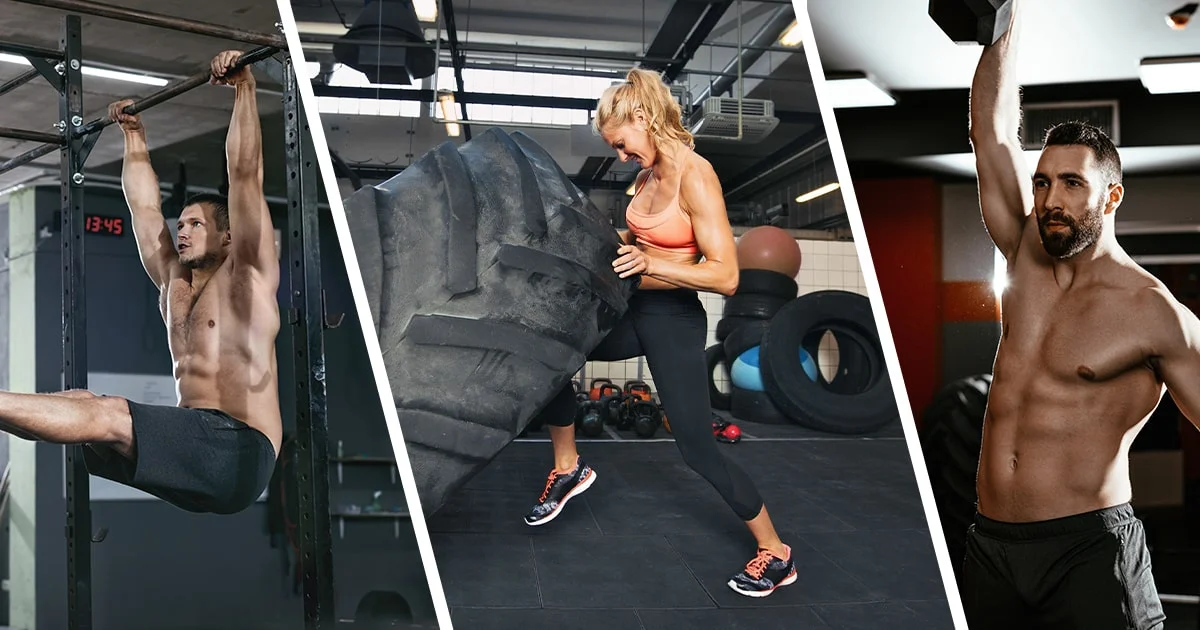
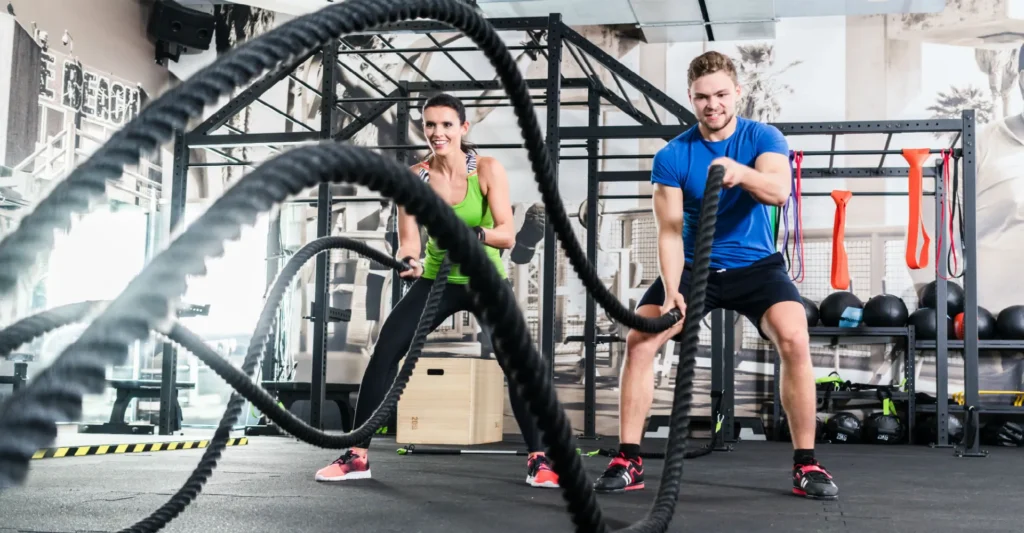
Functional training has become very popular in recent years, and for good reason. Unlike traditional gym workouts that focus only on muscles, functional training helps your body move better in real life. It improves strength, balance, coordination, and flexibility, which are all useful for daily activities.
Whether you are lifting grocery bags, climbing stairs, or playing with children, functional training prepares your body for everyday movements. This article explains what functional training is and shares the best routines to build everyday strength safely and effectively.
What Is Functional Training?
Functional training focuses on exercises that mimic real-life movements. Instead of isolating one muscle, these workouts train multiple muscle groups together.
For example:
- Squatting helps you sit and stand easily
- Pushing movements help with opening doors
- Pulling movements help with lifting objects
Functional exercises improve how your muscles, joints, and core work together. This makes daily tasks easier and reduces the risk of injury.
Benefits of Functional Training for Daily Life
Functional training offers many practical benefits, especially for people who want overall fitness, not just muscle size.
Key benefits include:
- Better posture and balance
- Improved core strength
- Increased flexibility and mobility
- Reduced chances of daily injuries
- More energy for routine activities
It is suitable for beginners, working professionals, and even older adults when done correctly.
Best Functional Training Routines for Everyday Strength
Below are some of the most effective functional training exercises. These routines require little or no equipment and can be done at home.
1. Bodyweight Squats
Bodyweight squats are one of the best functional exercises. They strengthen your legs, hips, and core.
How it helps in daily life:
- Sitting and standing from a chair
- Climbing stairs
- Lifting objects from the floor
How to do it:
- Stand with feet shoulder-width apart
- Lower your body as if sitting on a chair
- Keep your chest up and back straight
- Push through your heels to stand up
Do 2–3 sets of 12–15 repetitions.
2. Push-Ups
Push-ups train the chest, shoulders, arms, and core together.
Daily life benefits:
- Pushing doors
- Supporting body weight
- Improving upper body strength
Beginner tip:
If regular push-ups are difficult, start with knee push-ups or wall push-ups.
Aim for 2–3 sets of 8–12 repetitions.
3. Plank Hold
The plank is excellent for core strength. A strong core helps with almost every movement you do.
Why planks are important:
- Better posture
- Less lower back discomfort
- Improved balance
How to perform:
- Keep your body straight like a plank
- Support yourself on forearms and toes
- Do not arch your back
Hold for 20–40 seconds. Increase time gradually.
4. Lunges
Lunges work the legs and improve balance.
Functional benefits:
- Walking stability
- Improved coordination
- Stronger knees and hips
How to do it:
- Step one foot forward
- Lower your hips slowly
- Push back to the starting position
Do 2 sets of 10 repetitions per leg.
5. Glute Bridge
This exercise strengthens the hips and lower back.
Useful for:
- Long sitting hours
- Lower back support
- Better walking posture
Steps:
- Lie on your back with knees bent
- Lift your hips upward
- Squeeze your glutes at the top
Perform 2–3 sets of 12–15 repetitions.
Sample Functional Training Routine (Beginner-Friendly)
You can combine the above exercises into a simple routine.
Example workout plan:
- Bodyweight Squats – 15 reps
- Push-Ups – 10 reps
- Plank – 30 seconds
- Lunges – 10 reps per leg
- Glute Bridge – 15 reps
Repeat the circuit 2 times. Rest for 30–60 seconds between exercises.
Safety Tips for Functional Training
To get the best results and stay safe, follow these tips:
- Warm up for 5 minutes before exercise
- Focus on correct form, not speed
- Start slow and increase intensity gradually
- Stop if you feel pain or discomfort
- Stay hydrated
If you have any health concerns, consult a fitness professional before starting.
Why Functional Training Is Ideal for Indian Lifestyles
Many people in India have busy routines and limited time for exercise. Functional training is ideal because:
- It requires minimal equipment
- It can be done at home
- It improves daily movement efficiency
It fits well with modern lifestyles and supports long-term health.
Conclusion
Functional training is one of the best ways to build everyday strength. It helps your body move better, feel stronger, and stay balanced in daily life. With simple exercises like squats, push-ups, and planks, you can improve overall fitness without complicated equipment.
By practicing functional training regularly, you invest in better movement, improved energy, and long-term well-being. Start slow, stay consistent, and focus on quality movement for the best results.
Also Read Avoid These Beginner Mistakes: A Smart Weight Training Guide for India (2026)
Author- Sonam