Discover safe, effective exercises for older adults to support active aging, better mobility, and long-term health with simple, practical tips.
Aging is a natural process, but how we age depends a lot on our daily habits. One of the most powerful habits for healthy aging is regular physical activity. Active aging means staying physically, mentally, and socially engaged as we grow older.
For older adults, exercise is not about intense workouts or bodybuilding. It is about moving the body safely to stay strong, independent, and healthy for longer. In this article, we will explore why exercise matters for seniors and which types of exercises support longevity.
Why Active Aging Matters
As people age, the body slowly loses muscle strength, balance, and flexibility. This can increase the risk of falls, joint pain, and lifestyle diseases.
Regular exercise helps older adults:
- Maintain independence in daily activities
- Improve balance and reduce fall risk
- Control blood sugar and blood pressure
- Support heart and lung health
- Improve mood and mental clarity
Active aging is especially important in India, where joint problems, diabetes, and heart disease are common among seniors.
How Exercise Supports Longevity
Longevity does not mean just living longer. It means living better for more years.
Exercise supports longevity by:
- Improving circulation and oxygen flow
- Reducing inflammation in the body
- Supporting healthy weight management
- Strengthening bones and muscles
- Lowering stress and anxiety levels
Studies show that even light to moderate activity can improve life expectancy when done regularly.
Types of Exercises for Older Adults
Not all exercises are suitable for seniors. The best approach is to combine different types of movements for overall health.
1. Aerobic Exercises (Cardio)
Aerobic exercises increase heart rate and breathing. They help improve stamina and heart health.
Safe options include:
- Brisk walking
- Cycling on a stationary bike
- Slow jogging (if joints allow)
- Swimming or water aerobics
How often:
30 minutes a day, at least 5 days a week. This can be split into smaller sessions.
2. Strength Training Exercises
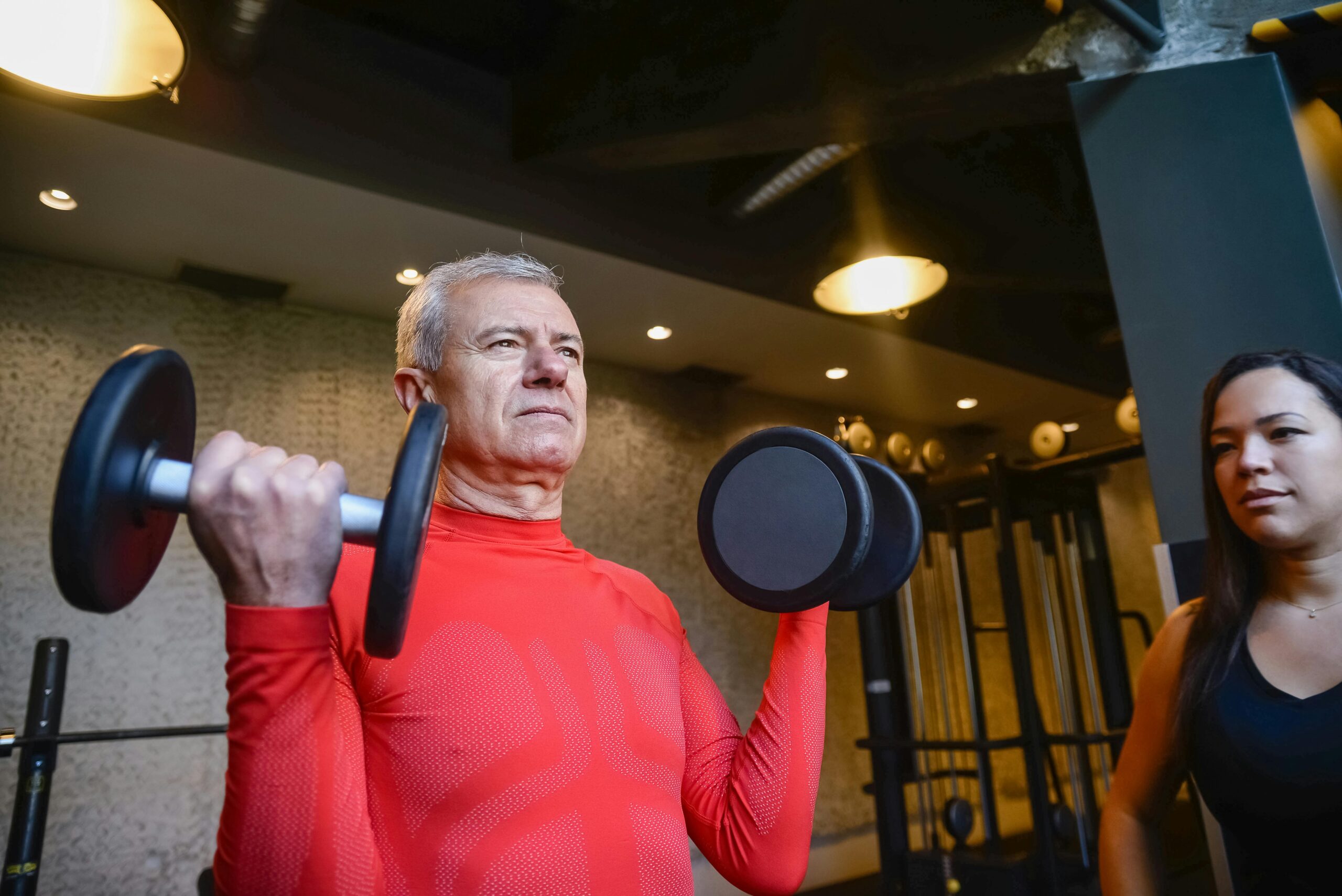
Strength training helps maintain muscle mass, which naturally reduces with age. Strong muscles protect joints and improve posture.
Beginner-friendly strength exercises:
- Chair squats
- Wall push-ups
- Lifting light dumbbells or water bottles
- Resistance band exercises
How often:
2–3 times a week with rest days in between.
3. Balance Exercises
Balance exercises are very important for preventing falls, one of the biggest risks for older adults.
Simple balance exercises:
- Standing on one leg while holding a chair
- Heel-to-toe walking
- Slow side leg raises
Start with support and gradually try without holding anything.
4. Flexibility and Stretching Exercises
Stretching keeps muscles flexible and joints mobile. It also reduces stiffness and body pain.
Useful stretches include:
- Neck and shoulder stretches
- Gentle back twists while seated
- Hamstring and calf stretches
Stretch slowly and never force the body.
5. Mind-Body Exercises
Mind-body exercises improve both physical and mental health. They are very popular among Indian seniors.
Examples:
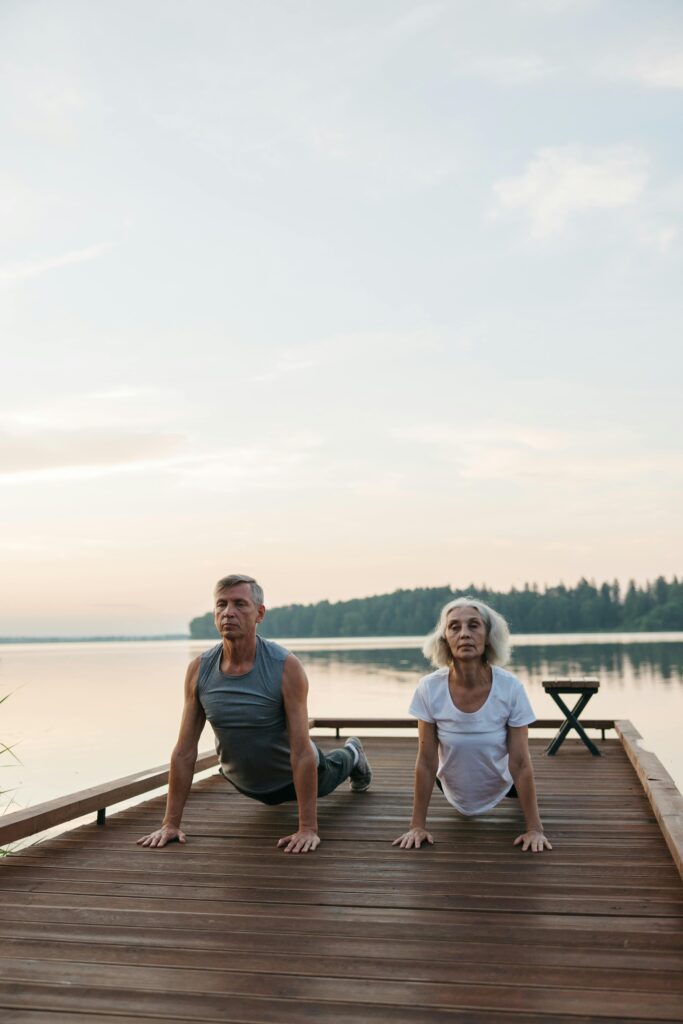
- Yoga for seniors
- Pranayama (breathing exercises)
- Tai Chi
These exercises help improve balance, focus, breathing, and emotional well-being.
Safety Tips for Older Adults
Exercise should be safe and comfortable. Seniors should always listen to their bodies.
Important safety tips:
- Consult a doctor before starting a new routine
- Warm up before and cool down after exercise
- Wear comfortable shoes with good grip
- Avoid exercising in extreme heat
- Stop if there is pain, dizziness, or shortness of breath
Consistency is more important than intensity.
Creating a Simple Weekly Exercise Routine
A balanced weekly routine can look like this:
- Monday: Walking + stretching
- Tuesday: Strength training
- Wednesday: Yoga or balance exercises
- Thursday: Walking or cycling
- Friday: Strength training
- Saturday: Light stretching or breathing exercises
- Sunday: Rest or gentle movement
This mix supports full-body health and long-term mobility.
Mental and Social Benefits of Staying Active
Exercise is not just physical. It also improves mental health.
Active seniors often experience:
- Better sleep quality
- Reduced stress and depression
- Improved memory and focus
- More social interaction through group activities
Joining a walking group, yoga class, or park exercise group can add motivation and social connection.
Common Myths About Exercise and Aging
Many older adults avoid exercise due to fear or misinformation.
Common myths include:
- “I am too old to exercise”
- “Exercise will damage my joints”
- “Rest is better than movement”
In reality, the right kind of exercise protects joints and improves overall health at any age.
Conclusion: Move More, Live Better
Active aging is one of the best gifts older adults can give themselves. Simple, regular exercises can improve strength, balance, confidence, and quality of life.
The goal is not perfection. The goal is movement. Even small daily efforts can lead to big health benefits over time.
If you found this article helpful, you may also explore related topics like healthy diet for seniors, fall prevention tips, or yoga for beginners over 60 to support a balanced and active lifestyle.
Also Read Fitness for Mental Health: Why It Matters More Than Ever
Author-Sonam